
Search Virginia Probate Court Records
Virginia probate court records are kept at the Circuit Court Clerk's office in each county and independent city across the Commonwealth. These records cover how estates are handled after someone dies. They include wills, inventories of assets, accountings, executor bonds, and court orders related to estate administration. Virginia has 120 circuit courts spread across 95 counties and 39 independent cities. Each court holds its own probate files going back many years. You can search for Virginia probate court records by visiting the local clerk's office, calling ahead, or checking online lookup tools. Some courts let you search case data through their websites. For certified copies of wills or estate documents, contact the Clerk of the Circuit Court where the case was filed.
Virginia Probate Court Records Overview
Where to Find Virginia Probate Court Records
The Clerk of the Circuit Court is the main source for probate court records in Virginia. The clerk is a constitutional officer elected to an eight-year term. Each clerk handles probate of wills, grants administration of estates, and appoints guardians and conservators. Virginia's 120 circuit courts fall within 31 judicial circuits, and each court keeps its own set of probate files. You file probate in the circuit court of the city or county where the person lived at the time of death, as set out in Virginia Code Section 64.2-443. Usually, the clerk or a deputy clerk handles probate, and the circuit court judge is not part of the process unless someone files an appeal.
The Virginia Judicial System self-help portal provides probate forms and guides for people who need to start the process. The site has forms you can fill out online and print for filing at your local court.
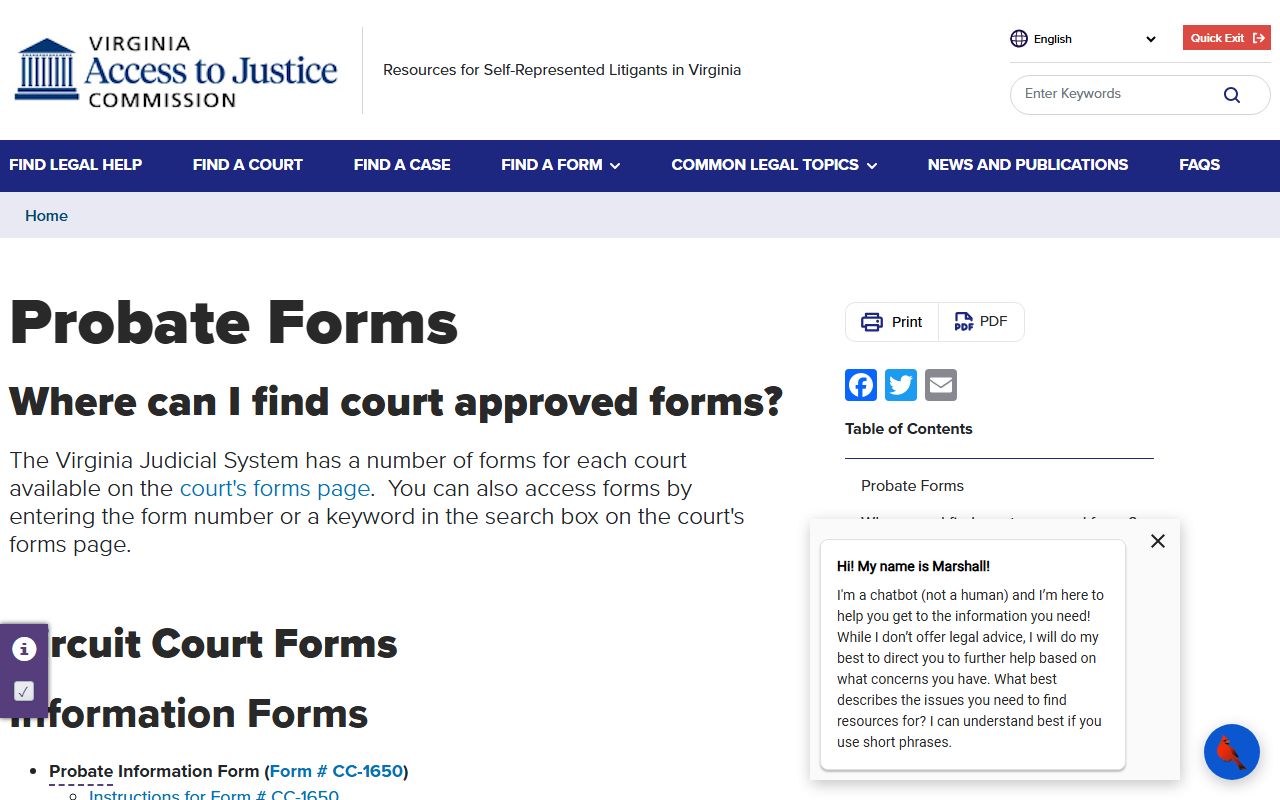
This portal lists all the probate forms used in Virginia circuit courts. It covers everything from the initial filing to final estate accountings.
You can also search for historical Virginia probate court records through the Library of Virginia. The Library holds microfilm of will books, estate inventories, and other probate documents from courthouses across the state. Some of these records go back to the 1600s. Researchers can visit the Library in Richmond or check the online catalog to find specific records.
Virginia Probate Court Forms and Documents
Virginia uses a set of standard forms for probate court filings. The Supreme Court of Virginia maintains the official fiduciary forms page where you can fill them out online and print them. These forms are used in every circuit court across the state. The Probate Information Form (CC-1650) is the first document you fill out. It asks for details about the person who died, their heirs, and the value of the estate. You also need the Probate Tax Return (CC-1651) to calculate what the estate owes in state probate tax.
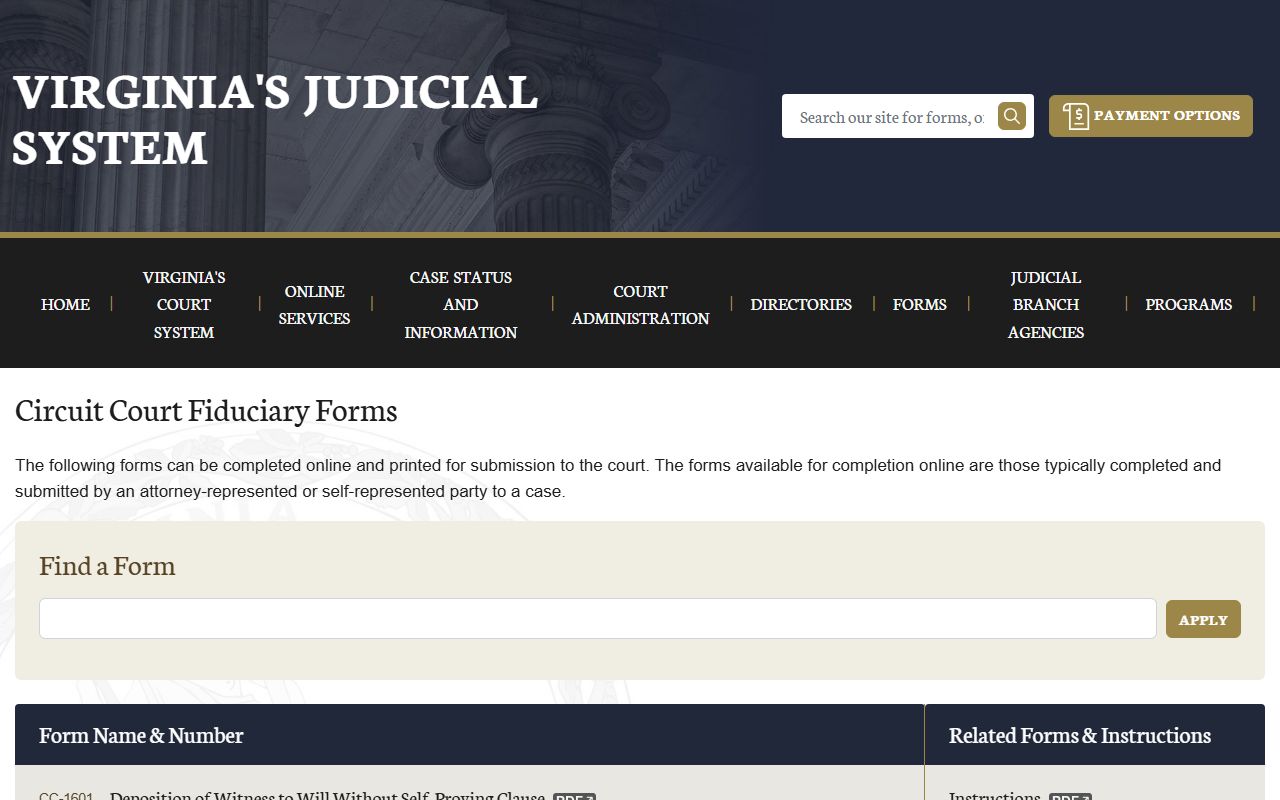
The fiduciary forms page has every form needed for estate administration in Virginia courts.
After the executor or administrator qualifies, they must file an inventory of the estate. Form CC-1670 is the Inventory for Decedent's Estate. This lists all assets the person owned at death. The executor has four months from the date of qualification to file this with the Commissioner of Accounts. Later, the executor files an accounting (Form CC-1680) that shows all money that came in and went out of the estate. Other key forms include the List of Heirs (CC-1611), the Real Estate Affidavit (CC-1612), and the Waiver of Qualification (CC-1608).
Note: Virginia clerks cannot give legal advice about estate distribution or taxes, but they can help you find the right forms and explain filing steps.
How to Search Probate Court Records in Virginia
You can search Virginia probate court records in several ways. The most direct method is to visit or call the Circuit Court Clerk in the county or city where the person lived. The clerk can look up records by name and pull the file. Many clerks take walk-in requests. Some require an appointment for probate matters. Call ahead to check.
Online access varies by court. Some Virginia circuit courts have case lookup tools on their websites. The Virginia State Bar offers guidance on the probate process and can point you to local resources. Their site explains the steps involved from filing a will to closing an estate.
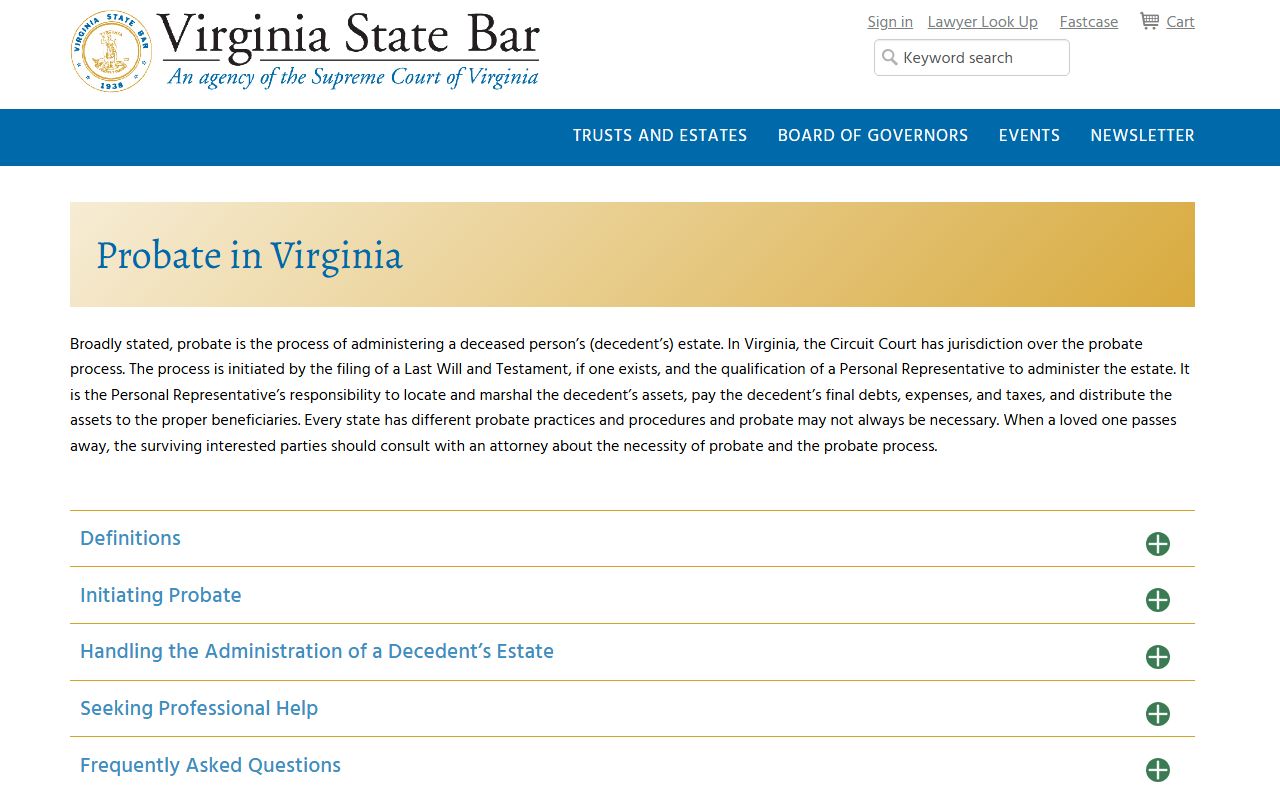
The Virginia State Bar provides an overview of probate law and the duties of personal representatives.
For genealogy research, FamilySearch has indexed Virginia probate records going back to the 1600s. You can find digitized will book pages, estate inventories, and other documents. Some records are free to view. Ancestry also holds Virginia wills and probate records from 1652 to 1900. The Library of Virginia in Richmond has the most complete collection of original court records on microfilm.
What Virginia Probate Court Records Contain
Virginia probate court records hold several types of documents. The will is the main one. It names the executor and says who gets what. If there is no will, the court appoints an administrator to handle the estate under Virginia Code Section 64.2-502, which sets the priority for who can serve.
A probate case file in Virginia typically includes:
- The original will or proof that no will exists
- Death certificate or other proof of death
- List of heirs at law with names and addresses
- Inventory of all estate assets and their values
- Accountings showing income, expenses, and distributions
- Court orders for qualification and appointment
- Bonds posted by the executor or administrator
The Commissioner of Accounts reviews these filings to make sure estates are handled right. This local attorney is appointed by the circuit court. They check inventories within four months and review annual accountings. Under Virginia law, fiduciary compensation is generally limited to five percent of the assets the fiduciary handles. All of these documents become part of the probate court record and are available to the public.
The King William County Clerk's Office provides a helpful breakdown of estate types, from small estates under $75,000 to larger estates with real property.
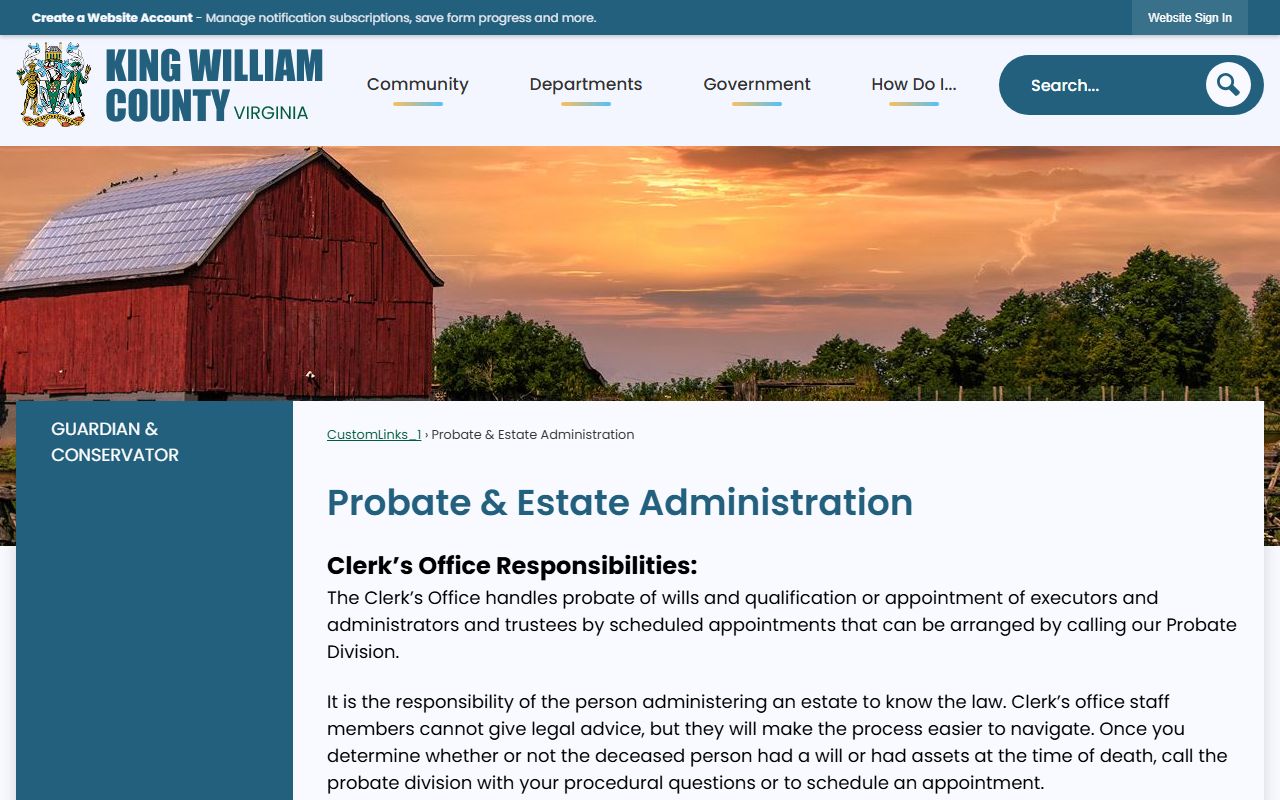
This page shows how Virginia circuit courts sort estates by type and value to determine the right process.
Probate Court Records Fees in Virginia
Virginia charges a state probate tax on the value of the estate. The rate is one tenth of one percent, or 10 cents per $100 of estate value. This tax applies to both real and personal property in the name of the person who died. Some localities add their own probate tax on top of the state rate. For example, a local tax of 3.3 cents per $100 is common in many Virginia counties.
Recording fees apply when you file documents with the court. Typical rates are $18 for the first 10 pages of a will and $32 for 11 to 30 pages. Qualification fees depend on the estate size. Estates under $5,000 may have no qualification fee. For estates over $100,000, the fee is around $30. You also need to pay for certificates of qualification, which prove your authority to act on behalf of the estate. The Virginia Department of Taxation handles state tax filing requirements for estates.
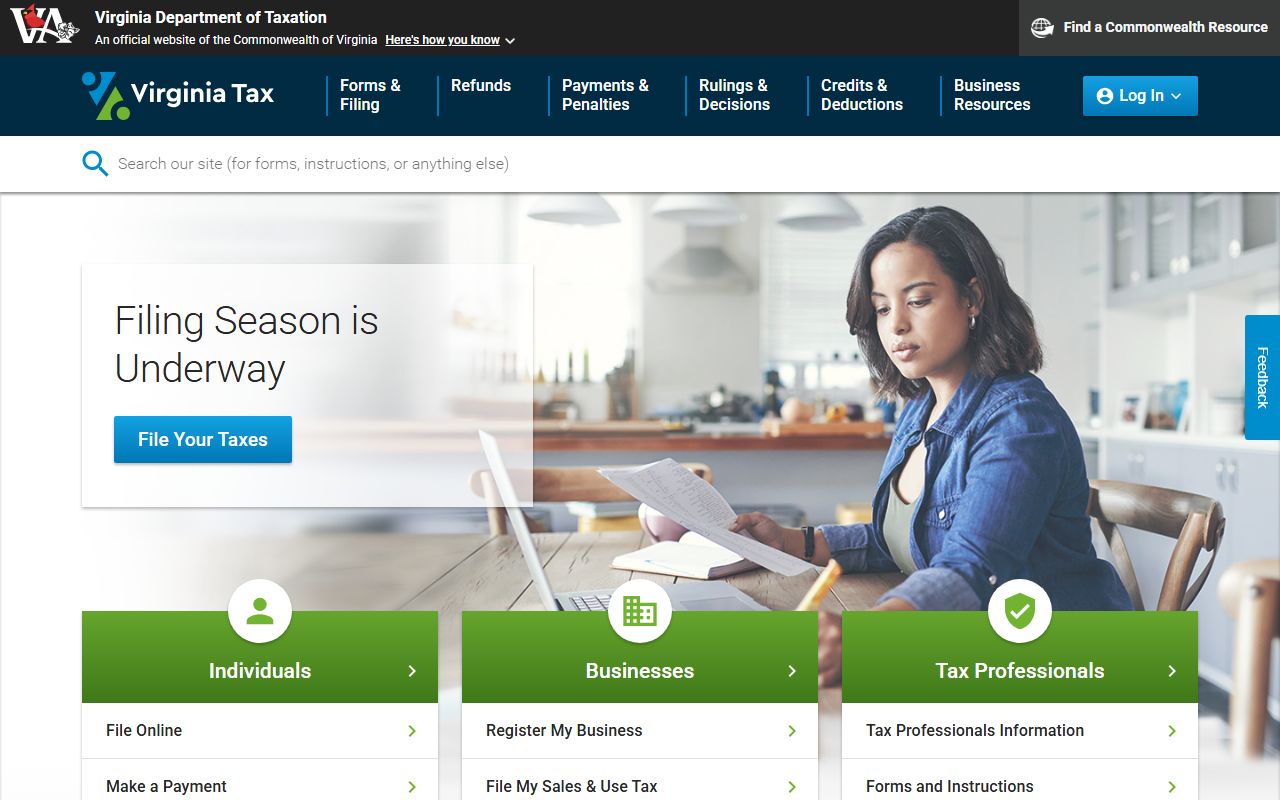
The Virginia Department of Taxation website covers estate tax filing rules and deadlines for personal representatives.
The final income tax return of the person who died must be filed. If the estate earns income after death, a separate estate income tax return is needed. You must also get an Employer Identification Number from the IRS to open an estate bank account. Federal estate taxes apply only if the gross estate exceeds the federal threshold.
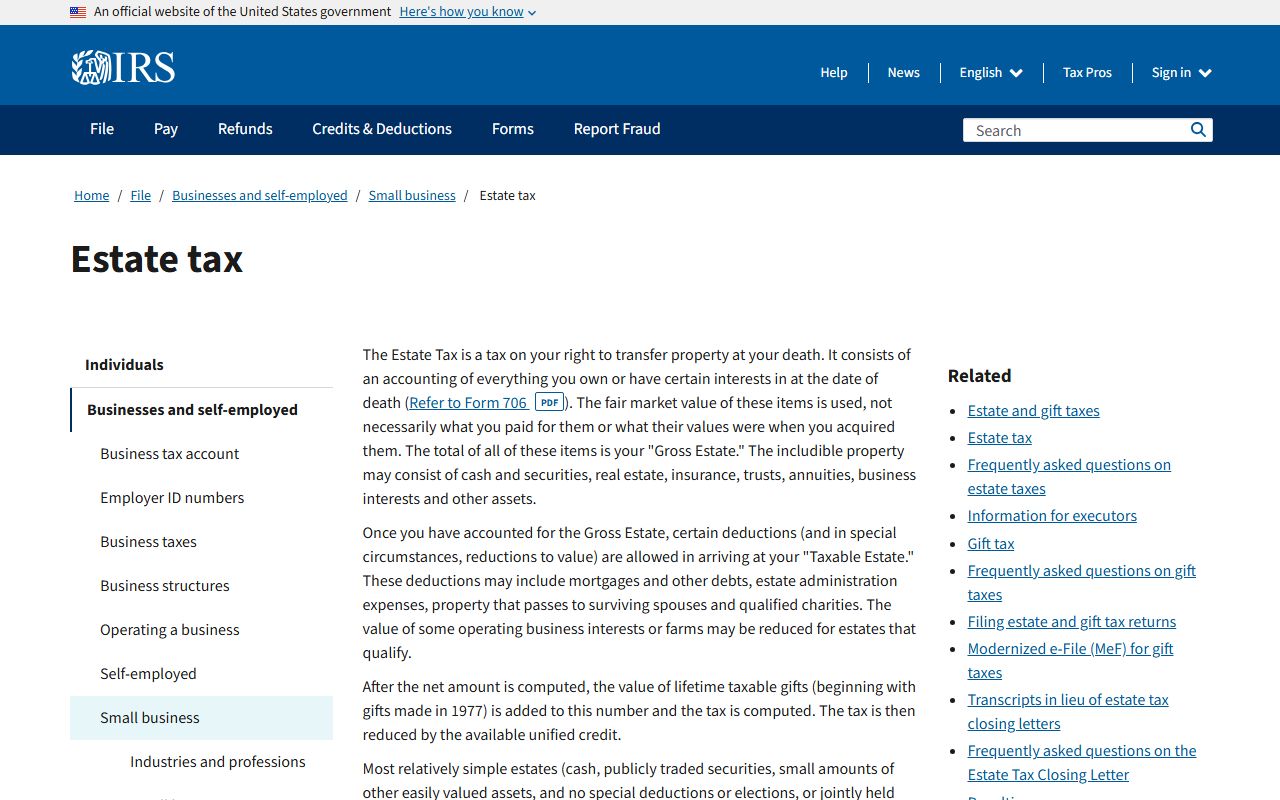
The IRS provides federal estate tax guidance for executors and administrators in every state including Virginia.
Virginia Probate Court Records for Intestate Estates
When someone dies without a will, they die intestate. Virginia law then decides who gets the estate. Under Virginia Code Section 64.2-200, the course of descents works like this: if there is a surviving spouse and all children are also children of that spouse, everything goes to the spouse. If there are children from someone else, the spouse gets one third and the rest goes to all the children. If there is no spouse, the children split everything equally.
If there are no children, the estate goes to the parents. If both parents are gone, it passes to siblings. The circuit court appoints an administrator for intestate estates. This person has the same duties as an executor. They must gather assets, pay debts in the order set by Virginia Code Section 64.2-528, and distribute what is left to the heirs. Costs of administration come first. Then funeral expenses up to $4,000. Then federal debts and taxes. Medical bills from the final illness come next. State debts follow. All other claims are last.
The City of Fredericksburg has a clear guide on probate terms and the steps for both testate and intestate estates.
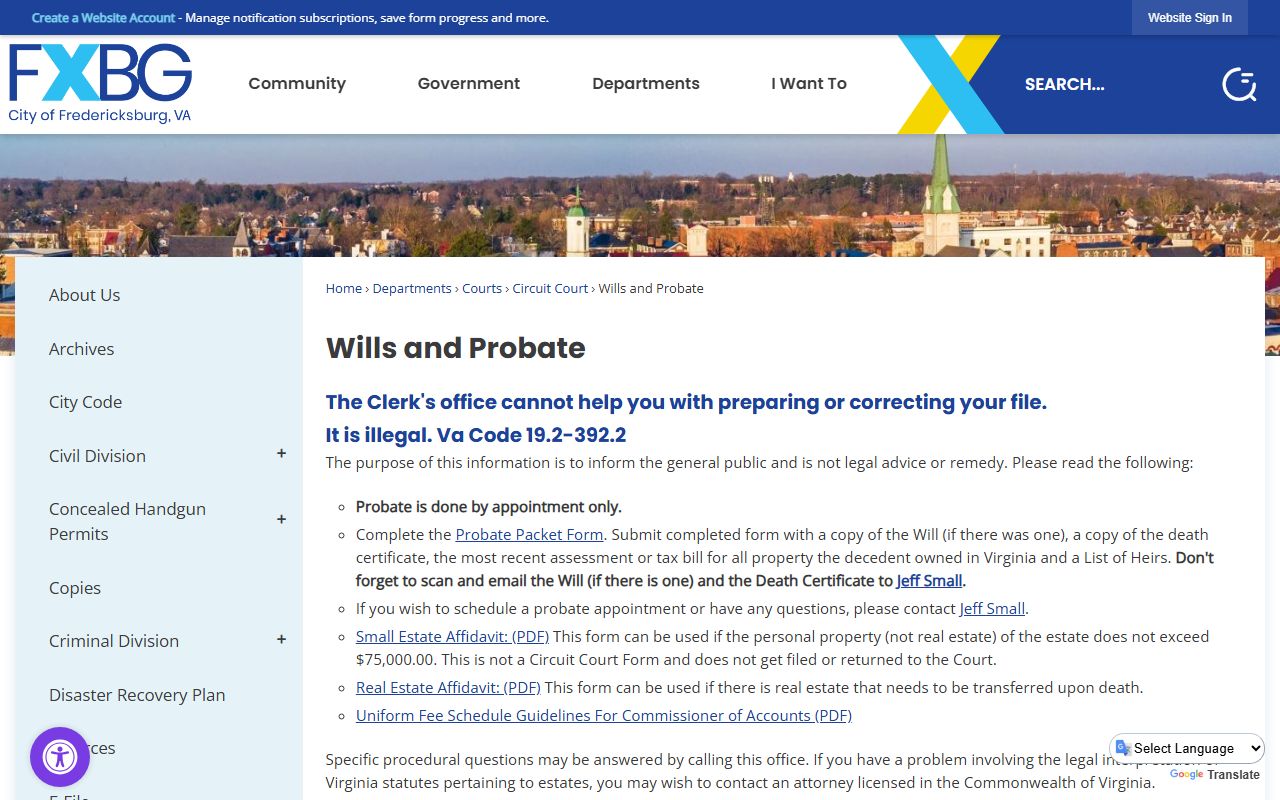
Fredericksburg's page explains the difference between testate and intestate probate and outlines what to bring to an appointment.
Getting Help With Virginia Probate Court Records
The Virginia Bar Association publishes a guide to administration of estates. It covers typical duties of a personal representative, from the first appointment at the clerk's office through final distribution. This guide is meant for anyone who needs to understand what serving as executor involves.
A typical probate appointment requires several items. Bring the original will if one exists. Copies cannot be probated in Virginia. You also need a certified death certificate, a list of heirs with their addresses, and the value of all assets. The Smyth County Clerk's Office lists what to bring to a probate appointment in detail.
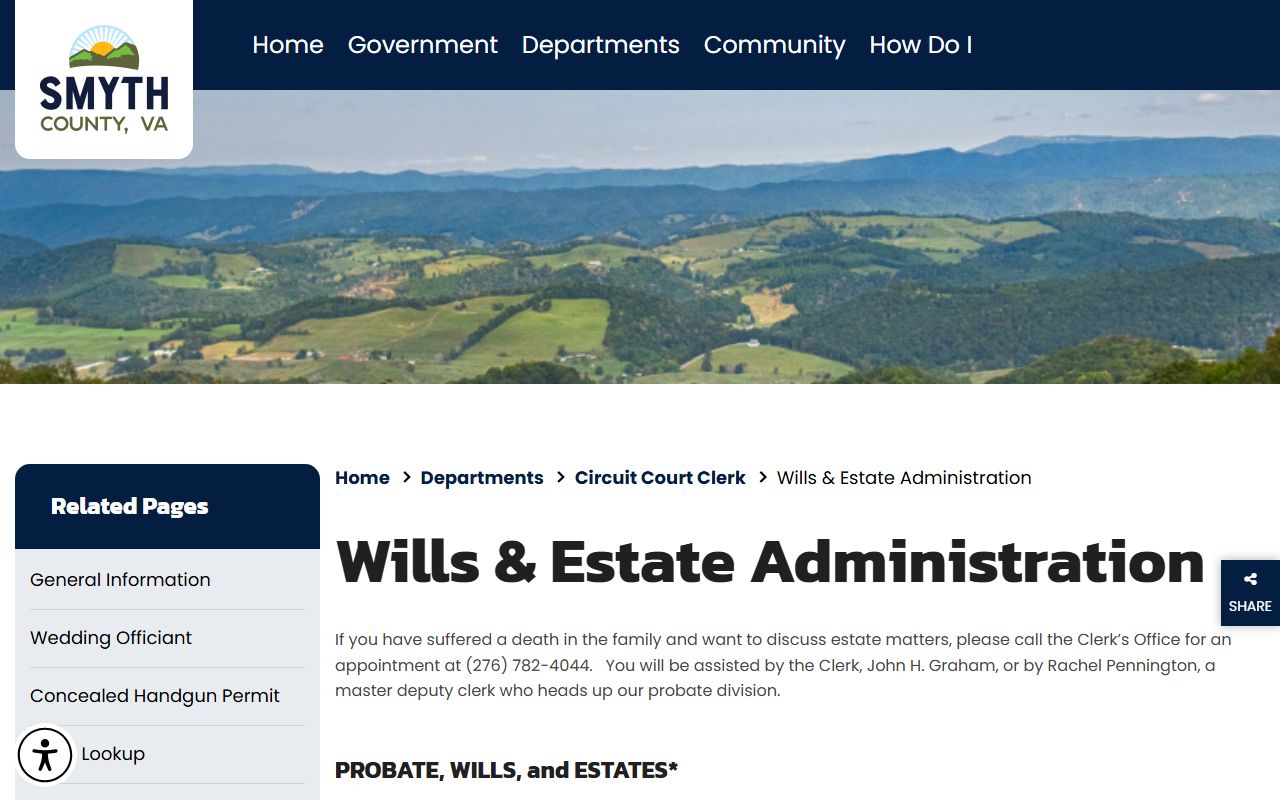
This page from Smyth County shows the documents needed when you visit the clerk to start the probate process.
Each circuit court has a Commissioner of Accounts who oversees estate administration. The Commissioner reviews inventories, accountings, and makes sure fiduciaries follow Virginia law. The Judicial Council of Virginia sets uniform fee schedule guidelines for Commissioners across the state. If you need an attorney, the Virginia State Bar lawyer referral service can connect you with probate lawyers in your area at 1-800-552-7977.
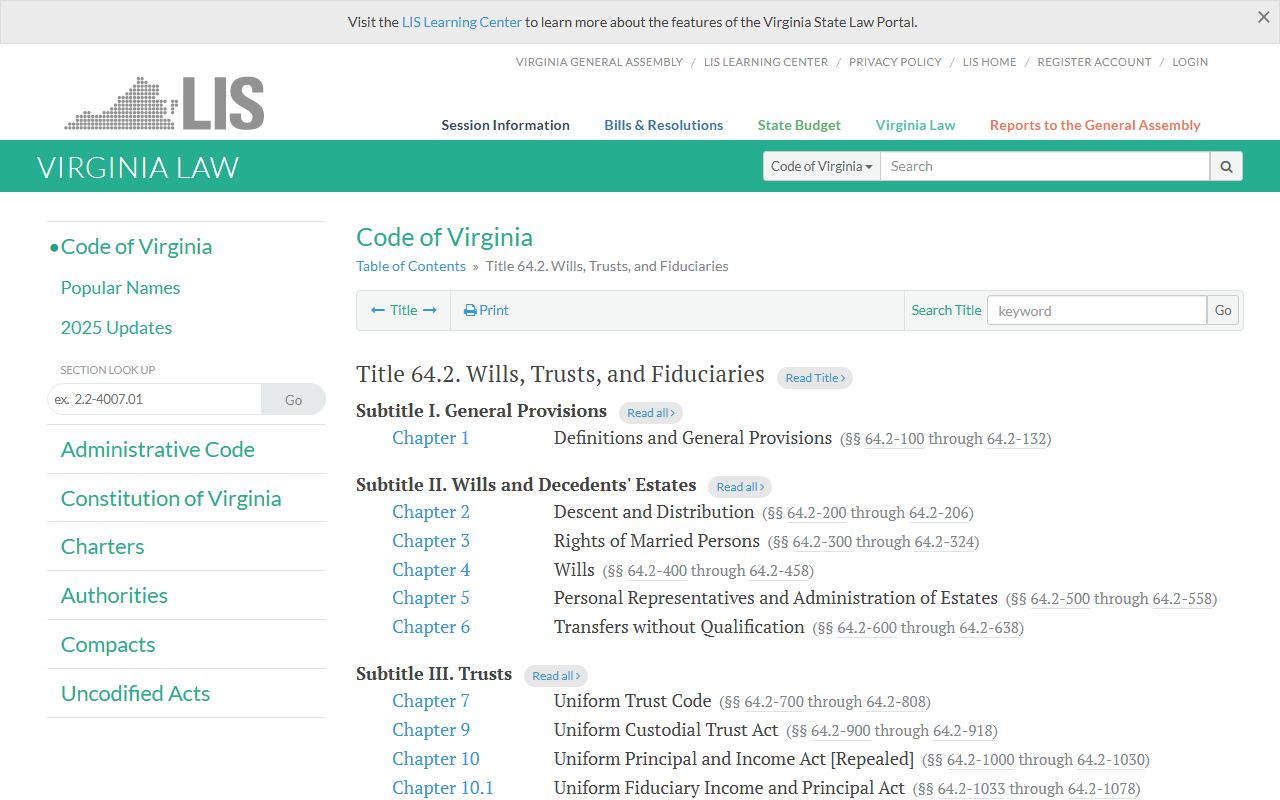
Title 64.2 of the Code of Virginia contains over 200 sections on wills, trusts, and fiduciaries. It is the main body of law for probate in the state.
Browse Virginia Probate Court Records by County
Each of Virginia's 95 counties has its own Circuit Court Clerk that handles probate filings. Pick a county below to find local contact info and resources for probate court records in that area.
Probate Court Records in Major Virginia Cities
Virginia's independent cities have their own circuit courts that handle probate filings. Pick a city below to find which court manages probate court records in that area.